The Edge of Epidemiology Exhibits

American epidemic timeline

Enter the archive of American epidemic memory.

A selective timeline of major epidemics, outbreaks, and public-health turning points in what is now the United States, including colonial, Indigenous, territorial, and modern settings where the historical record can carry the story.

Enter the timeline

Why this matters

Epidemic history is infrastructure history.

This timeline is not a trophy case of disasters. It lets readers compare entries across ports, camps, households, prisons, schools, hospitals, reservations, food systems, water systems, farms, and sexual or injection networks, while keeping public-health interpretation attached to the sources that support it.

How to read uncertainty

Older outbreaks are not modern lab reports.

A high-confidence entry means the event and interpretation are strongly sourced. A contested or uncertain entry means the mortality event or public-health lesson is important, but diagnosis, counts, or consequences are not clean enough to flatten into certainty.

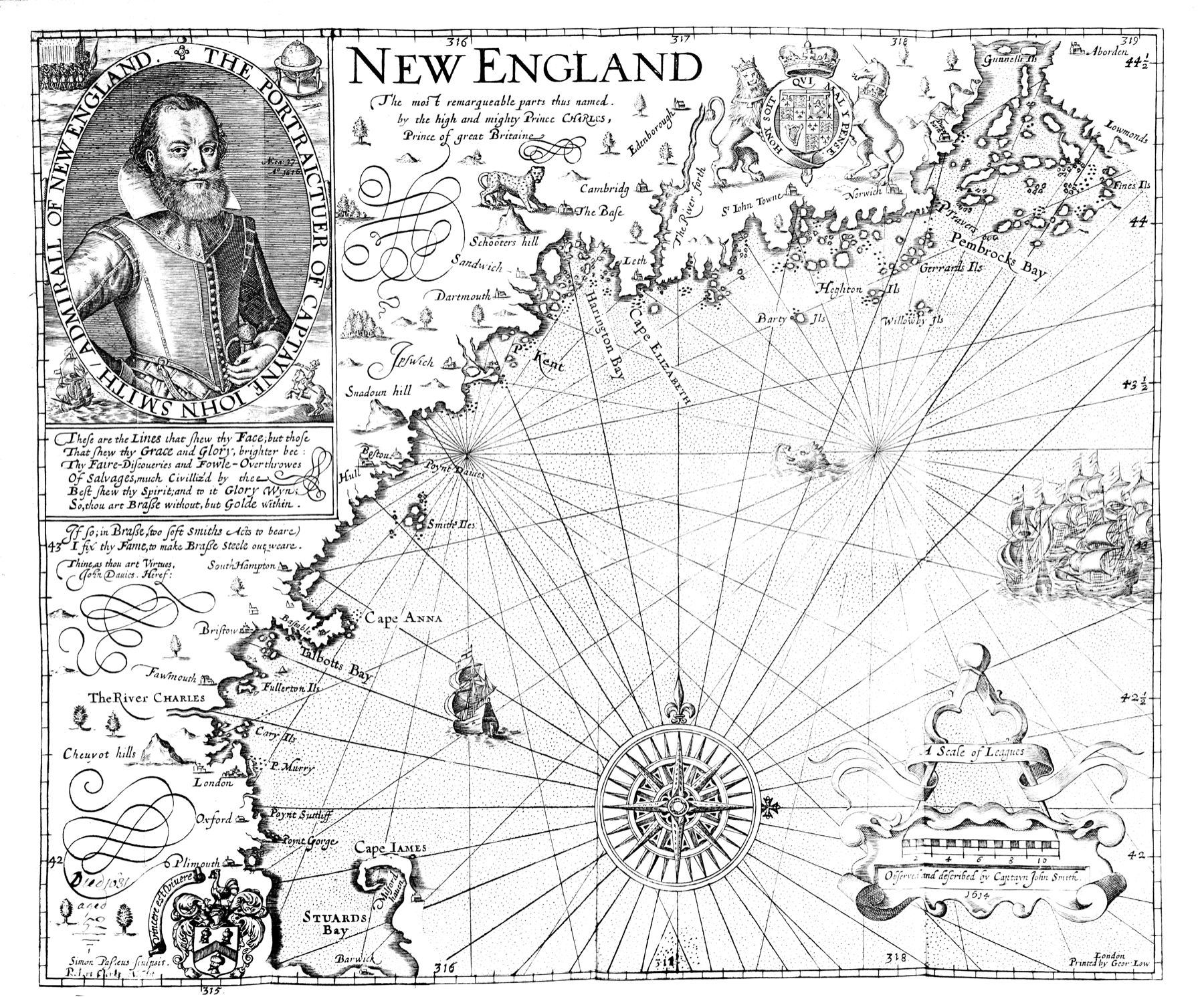
John Smith's 1616 map of New England.
1616-1619 Pre-U.S. North America

The great dying along the New England coast

Uncertain epidemic mortality event · unknown/contested · Coastal New England Indigenous communities

English settlement entered a landscape already altered by epidemic death, which later colonial writers converted into providential narrative.

Public-health significance: No formal response; the source problem is itself part of the historical lesson.

Uncertainty: The diagnosis is disputed. This entry should be read as a mortality event, not a confirmed pathogen claim.

Uncertain epidemic mortality event unknown/contested 2 sources
Sources
Emerging Infectious Diseases, 2010CDC smallpox history