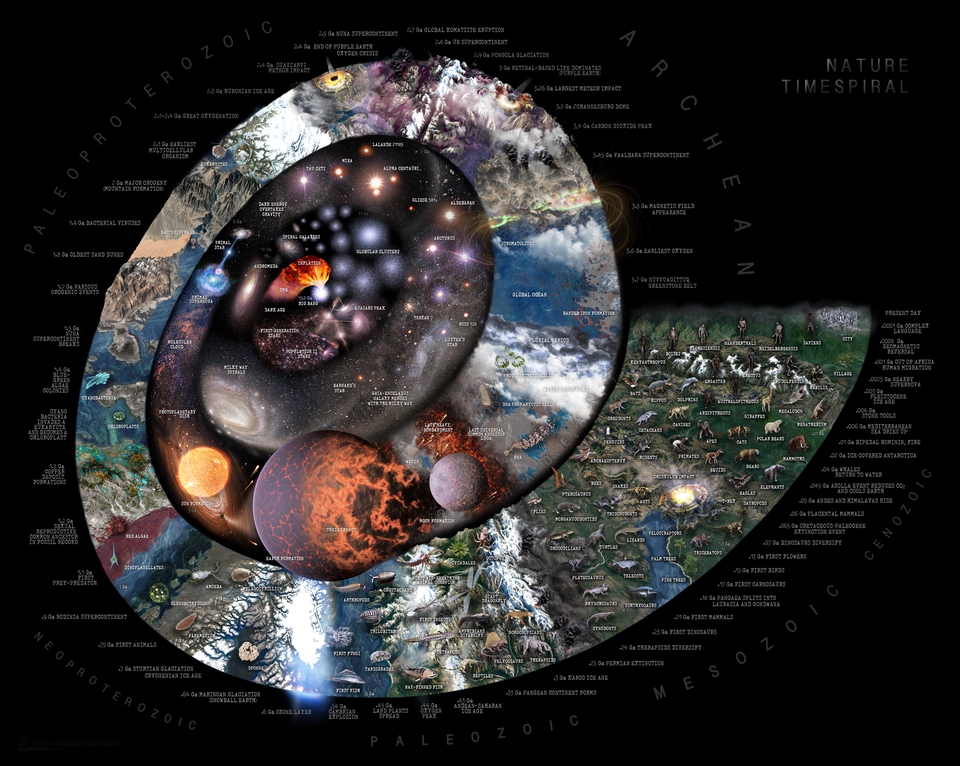
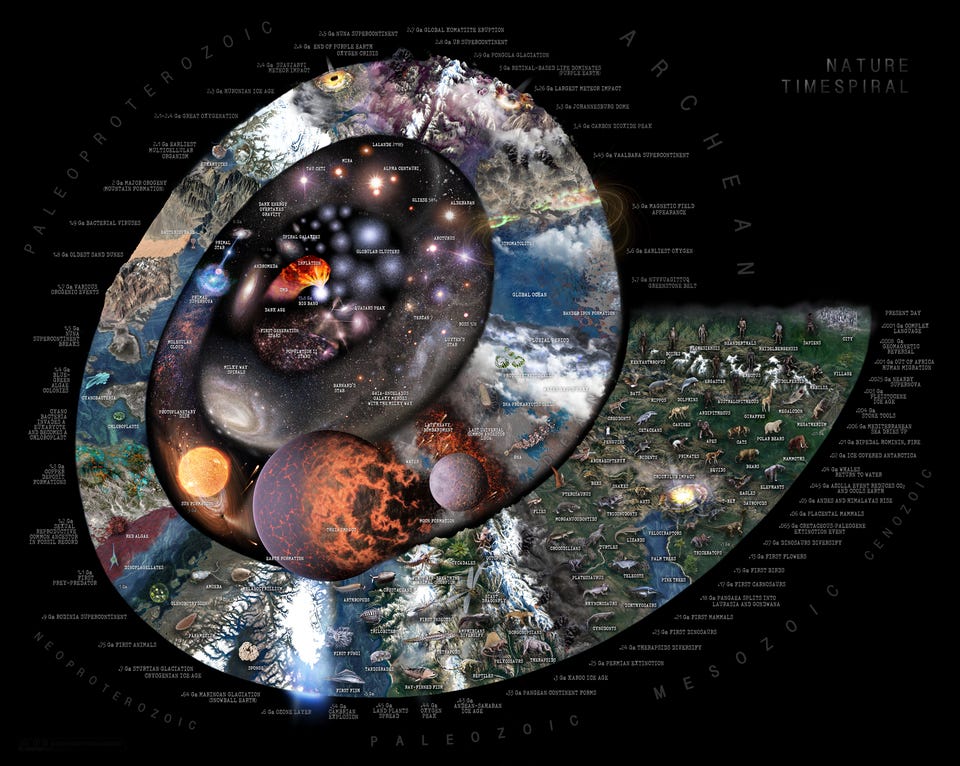
At a 2011 TED conference, historian David Christian asked a deceptively simple question: when did history begin? Some say something like agriculture or when things first began to be written down. Christian argued it was at the start of the universe. His argument was that history only makes sense when viewed from the appropriate scale. When we pull back far enough, patterns start to emerge that would be invisible at any other scale. It’s arguable that we can’t fully understand what led to the Industrial Revolution without at least some understanding of the hundreds of millions of years that is compressed biology stored in coal. We can’t understand what led to the agricultural revolution without knowledge of the climate shift that ended the last ice age. The frame we look through changes what we can see.
He called the framework Big History and taught his first course on it in 1989. Triangulating evidence from fields as different as biology, geology, astronomy, anthropology, and more, Big History tries to piece together cause and effect relations in history. His narrative tool was the thresholds of increasing complexity, which he deemed moments in the history of the universe when a genuinely new, more complex structure emerged from simpler components. Stars arose from hydrogen gas and planets from stellar debris. Life arose from chemistry, likely in the depths of the ocean at hydrothermal vents. Language arose from our primate brains. Each of these were new kinds of things that had emergent properties none of its predecessors had.
We can ask the same question about diseases. When did epidemiology begin? Most people in the field will probably bring up John Snow and his 1854 London “Broad Street Pump” experiment. More than 500 had died in just days with most cases clustering around a water pump on Broad Street. Snow got the pump handle removed and the epidemic subsided (although it was already doing so). Even without the knowledge of germ theory, he’d discovered the causal pathway through spatial analysis on maps. That founding myth of modern epidemiology deserves its status, as it established the template that would shape the discipline for the next 170 plus years.
What epidemiology rarely asks are the questions like: why does this disease exist here at all? Why do some populations carry immune histories that others don’t? Why do certain pathogens recur, across centuries, while others vanish? Why did the Industrial Revolution produce a tuberculosis explosion, and why did tuberculosis then decline, somewhat paradoxically, before antibiotics arrived? These are questions that treat disease as a civilizational force akin to the climate. In other words, they’re Big History questions as well as epidemiological questions.
A Framework Gets a Name
Researchers Luigi Bragazzi and Thorsten Lehr published a paper in November 2024 in the journal Epidemiologia titled “Big Epidemiology: The Birth, Life, Death, and Resurgence of Diseases on a Global Timescale”. Their central argument is that understanding disease requires the same kind of interdisciplinary, multi-scale, deep-time approach that David Christian had brought to understanding history. Big Epidemiology, to them, is a framework that integrates fields like epidemiology, demographics, ecology, the fine arts and literature, genetics, environmental science, sociology, history, and data science to better understand the current and future challenges for public health and medical officials through a broader historical and societal lens. Where traditional epidemiology tends to operate at a local or regional scale (outside of pandemic times, that is), Big Epidemiology digs into archeological findings, ancient DNA, historical chronicles or sagas, digitized art, and archived sources. And while it may not do so perfectly, it aims to be proactive as a field, using historical pattern recognition to get an idea of what future disease dynamics could look like.
One critique of traditional epidemiology in the paper is especially scathing, and one many practitioners would likely reject: that epidemiology ‘rarely embraces complexity and operationalizes complex systems thinking.’ They go on to argue that individual risk factors tend to dominate the traditional model, often at the expense of more complex interactions and non-linear effects or emergent disease dynamics. They claim it is reductionist and misses many of the broader context diseases arise in like different cultural practices. Whether you agree or disagree with that characterization, it’s hard to deny there’s a genuine gap between what traditional epi does and what a deeper, broad-scale study of disease tends to require.
It Wasn’t Invented In 2024 (or 2011, or 1989)
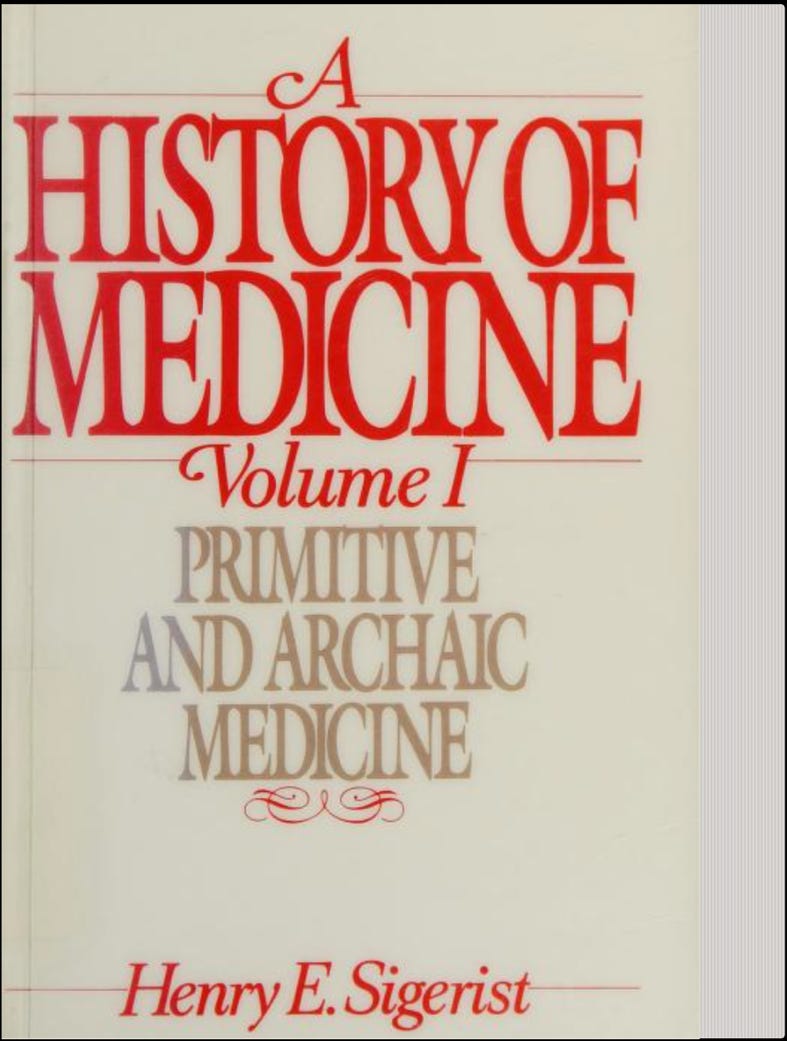
While it got its name in 2024, the framework has been operationalized before. More to that, paradigms don’t usually just show up one day fully formed. The name Big Epidemiology may be new but it’s history is deep and has a lineage that deserves its own credit. One of the earlier nodes that would appear in the network would be Henry Sigerist, a Swiss medical historian who was chair of history of medicine at Johns Hopkins, arguing for decades that disease was inseparable from the social, economic, and political contexts it arose in. He argued we couldn’t understand why people get sick without understanding how they live, what they eat, how they work, and who holds power over them. His multi-volume A History of Medicine remains one of the most ambitious attempts at a total history of human medicine to have been written. That’s a big-history approach to medicine about half a century before Christian had coined the term.
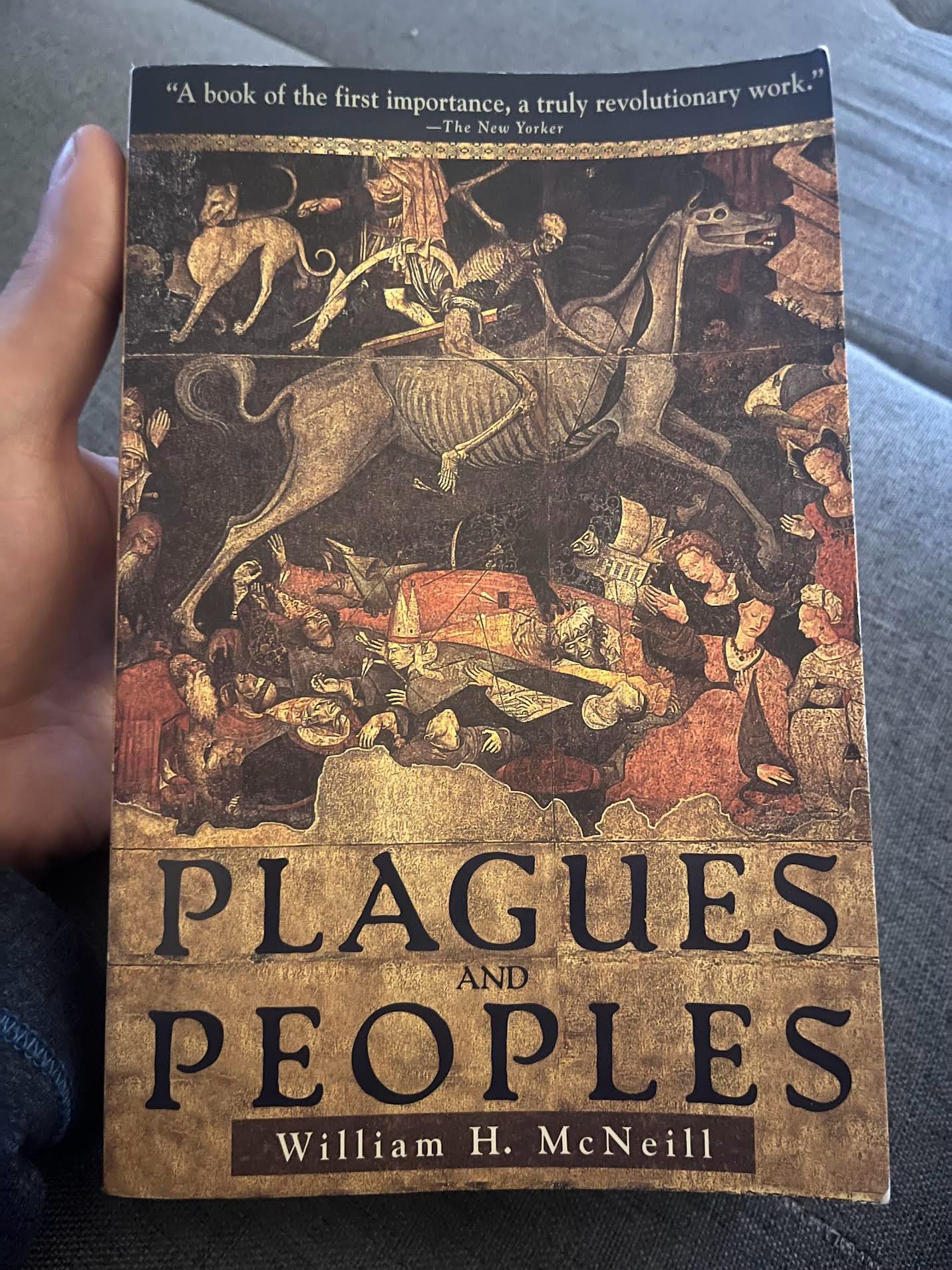
Big Epidemiology got sharpened a bit in 1976 with world historian William H. McNeill’s Plagues and Peoples, a book that opens with the question of why smallpox as opposed to Spanish steel was the deciding factor in the fall of the Aztec Empire. The argument in the book is that epidemic disease had always been shaping human history, historians just hadn’t been looking hard enough. He traced the thread back 100,000 years to sub-Saharan Africa and the relationships between population density, contact networks, zoology, and pathogen ecology in recorded history. It was an early and significant attempt to think epidemiologically at the civilizational scale, it just lacked the modern tools of the trade.
Around the same time McNeill was out working as a historian thinking like a disease ecologist, the Croatian Mirko Grmek was working as a historian thinking like an epidemiologist. Working in Paris under the tradition of Fernand Braudel’s Annales School of long term historiography and social history, he coined the concept of pathocenosis, or the idea that diseases within a population form an interacting ecology of sorts and should not be seen as independent events as one disease’s prevalence affects the others. Measles causing immune amnesia and leading to secondary infection risk, for example. Luckily for us, those types of claims are testable and Big Epidemiology gives us a framework to work off of while formalizing our hypotheses.
Abdel Omran brought the longer view into mainstream epidemiology in 1971 with the theory of epidemiological transition, which posits that human populations move through stages of disease burden as a function of their development status, going from infectious disease dominant societies toward ones defined more by chronic diseases. As populations get older on average as a result of lower birth rates, the prevalence of things like Alzheimer’s looks like it goes up. Improvements in socioeconomic status lead to better nutrition and sanitation in developing nations leading to changes in nutrition-related and infectious disease deaths.
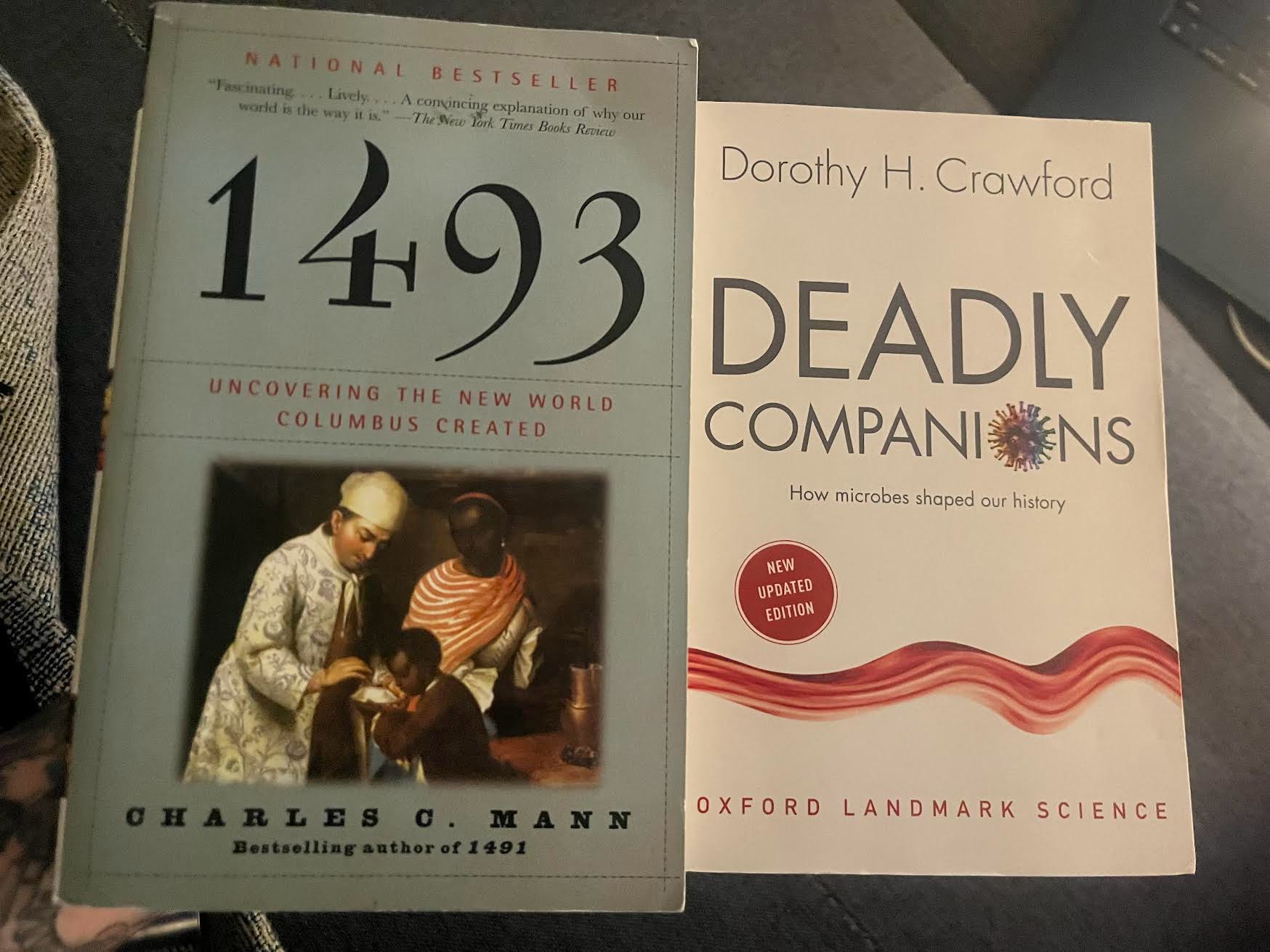
The popular literature has also done a good job at popularizing a Big Epidemiology approach, and likely deserves more credit than academia tends to give it. Dorothy Crawford’s Deadly Companions worked to trace the co-evolution of human-kind and their microbes going from hunter-gatherer groups and from ancient cities all the way through modern air travel. Charles C. Mann’s 1493 took the Columbian Exchange and showed it to be one of the most consequential biological restructurings the planet had ever seen outside of extinction events. Two long-separated ecologies collided and disease was the primary driver of human mortality. With all of the work out there in journals and the popular literature, I’m surprised it took until 2024 for someone to name the field.
What Does Big Epidemiology Add
This is a very fair question. Some will argue Big Epidemiology is just Big History on a specific topic. I won’t argue against that; it’s a fair point. But the toolkit of a Big Epidemiologist does have some advantages that are hard to overlook. The more pointed challenge comes from inside the discipline though. How isn’t this just historical epidemiology with a more pop science friendly name? We should seriously consider that question.
The paper that named the framework tries to address that issue directly. Their verdict is that historical epidemiology has most often lacked an integration with modern data science, genomics, proteomics, ecology, and a more broad, interdisciplinary architecture to use historical findings to predict and manage the current and future public health challenges we’ll come across. Which I don’t find to be an entirely unfair characterization, as most historical epidemiology work is backward-looking, more often descriptive, and reliant on documentary or archival evidence. To me, it seems like historical epidemiology is likely to be evolving into a more Big Epidemiology approach, as good researchers will always use the tools available to them. While historically it hasn’t connected findings to genomics databases or used AI-assisted pattern recognition across multiple centuries of text, I imagine the best scholars in the field will shift toward using those as they can help to answer questions older methods cannot.
I guess the gap can be operationalized as something like, a historian of the 1832 cholera pandemic and a Big Epidemiologist studying the same event will end up asking related but not quite identical questions. As the historian reconstructs what happened, to whom, why, and what came about due to the pandemic, the Big Epidemiologist will additionally ask something like what does this reveal about the conditions that bring about cholera pandemics? What is the genomic signature of the 1832 strain and what does that tell us about its evolution or possible other times it arose? Does it tell us anything about the next variant that could arise? The field gets a similar comparison to paleopathology, although this distinction between the is arguably a bit clearer there. Paleopathology is an integral part of the Big Epi approach but on its own, it typically stops at the specimen, gravesite, or group of people from the past. So, the honest answer to the “isn’t this just historical epi?” is partly yes and partly no.
What This Means for This Blog
When I shifted toward more historical epidemiology content here at The Edge of Epi, my driving intuition was that we can’t understand disease without understanding history and vice versa. I just hadn’t quite found the name for that intuition.
My posts here have, in retrospect, been heavily leaning on the Big Epidemiology framework I more recently came across in that paper. Pieces on the Viking voyages and their conspicuous absence of epidemic catastrophe, the Revolutionary War’s disease mortality and its misattributed causes, the Syphilis origins debate, pre-contact disease ecology in the Americas, and our oldest infectious disease companions, were all asking questions at the scale demanded by the framework. So not much is going to change regarding my writing and what you’ll find here at the Edge of Epidemiology, but I’ve got a better elevator pitch whenever I get to explain what I write about. If you have areas of disease history you think would benefit from being looked at from this framework, comment them below! I’d be happy to tackle them someday.
The Edge of Epidemiology is a reader-supported publication. To receive new posts and support my work, consider becoming a free or paid subscriber.