British North America during the pre-revolutionary war period was a region of fluctuating disease ecology shaped by repeated incursions of smallpox, measles, diphtheria, enteric infections (the nice way of saying feces got in their mouths somehow), and vector-borne fevers. These diseases brought over from Europe and Africa ended up destroying and restructuring much of the indigenous groups of the time, shaping the demographics for centuries to come. These diseases also put constraints on the early English settlements and forced the colonists to develop measures to combat these infectious diseases, like quarantine, reporting, and inoculation practices that exemplified the later public health efforts of the Revolutionary War era.
Between 1607 and 1775, British North America was fractured into distinct disease ecologies because different regions had various amounts of four important traits. First was vector habitat for malaria and yellow fever. Second was settlement size and connectivity to either allow for sustained or more interrupted transmission of measles and smallpox. Third would be water and waste management practices which would determine how much enteric infection would be going around. Fourth would be the immune profiles of the migrants, especially the contrast between the immunologically naïve European adults and Africans who had been heavily exposed to malarial and yellow fever rich zones. These ecologies would end up producing vastly different mortalities and lifestyles which fed back into the rolling demographics (was there a natural increase or constant replenishment), labor systems (the economics of indentured servitude vs lifetime slavery in a malarial swampland), the urban-rural divide, and even some Revolutionary-era military vulnerabilities to smallpox.
Relatively Safe New England
When compared to the Chesapeake and Carolina rice belt, rural New England was one of the least lethal environments for European colonists in mainland America. By modern standards adult mortality would’ve be seen as incredibly high, but more adults had survived long enough to marry, raise some kids, and see their grandchildren compared to those further south. Epidemic crowd based diseases were the major killers in the area, with smallpox, measles, and diphtheria all doing their own damage. Smallpox and measles were mostly epidemic based as opposed to endemic (meaning brought in vs lasting in the area), which meant decades could pass between major outbreaks of disease. That meant when they did happen, they’d run through multiple age groups due to the vast majority being unexposed adolescents and adults. There were also seasonal waves of diarrheal and respiratory disease that would largely impact the infant population and scattered cases of malaria as a background hazard.
The mechanisms at play in New England’s disease ecology included much colder winders and sparser wetlands that meant the mosquito populations struggled to last, with malaria therefor not having as much of a transmission opportunity to transmit there. The settlement patterns also played a part, with small, dispersed towns of modest populations being below the critical community size for smallpox or measles to become a permanent fixture of the towns. The big, dramatic epidemics arose when a ship or traveler would reintroduce the virus and were often followed by long, quiet intervals without that specific disease. The water useage and sanitation practices were also a bit better here compared to further south, as New England’s towns were often situated on relatively areas upstream as opposed to brackish estuaries. That wouldn’t completely eliminate cases of diarrheal disease, but it helped to avoid the worst of the estuary-driven enteric fevers common in places like Jamestown.
New England was also more family friendly, with more complete families and higher local reproductive rates. That combined with more people living beyond their 40s and 50s meant more intact nuclear families with more grandparents who could be relied on as well as more predictable inheritances. This structure led to a labor system where familial labor and local servants could meet most of the regions needs with few structural pressures that would lead to large-scale slavey as seen on southern plantations.
One location to note is the port town of Boston, as it is a bit of a blur between New England and the Atlantic ecologies. By the early 1700s it had become so large and well-connected with other regions that smallpox was becoming a more frequent problem, so frequent that the colonies began inoculation experiments. People were dying much more frequently in Boston than in the surrounding countryside which had much less contact, but the city depended more and more on inward migration as time went on for them to survive. Boston ended up functioning as a gateway where smallpox and other infections would periodically make their way through the bars and into the city.
The Chronically Unhealthy Tidewater
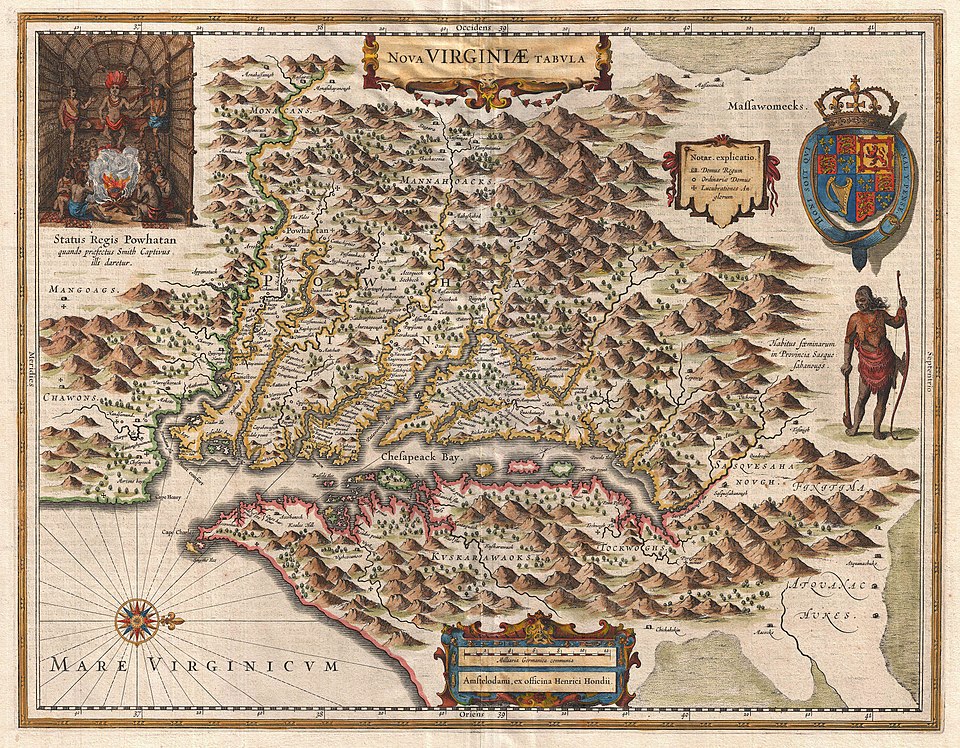
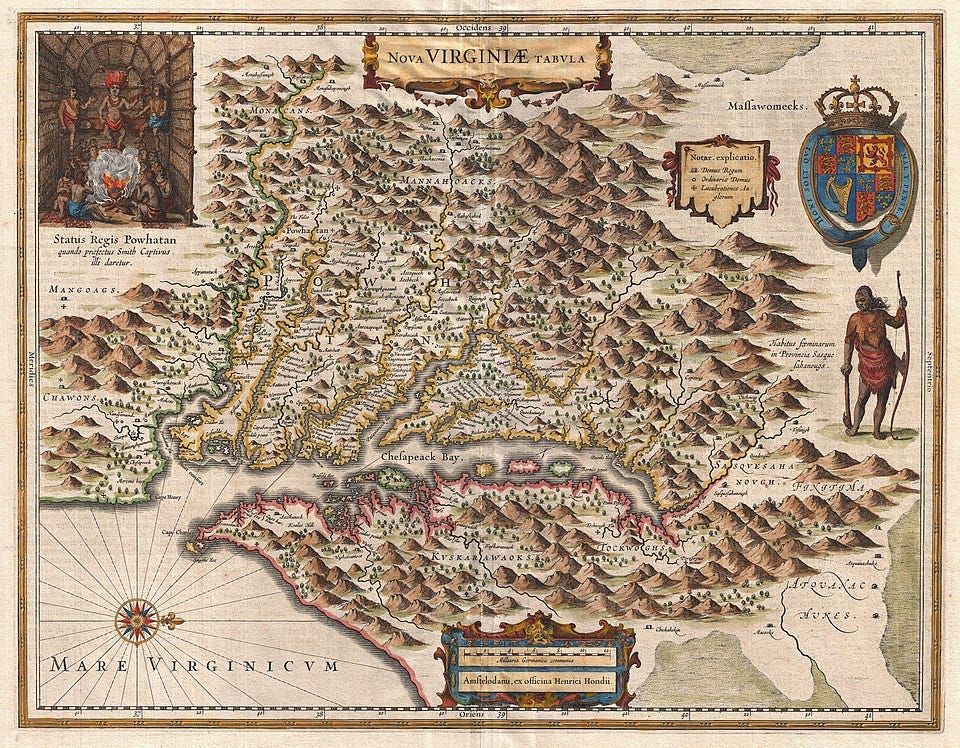
The Virginia Tidewater and Chesapeake Bay regions were worse off than their northerly neighbors, but not quite as bad as those further south. In the early 1600s, Jamestown suffered catastrophic levels of mortality with waves of fevers wiping out much of the town. By the next century, the death rates had finally stabilized a bit with most who survived the first few years ending up building families. Again, that’s if they survived. The summer months were when seasonal malaria tended to hang around causing high fevers with some resulting in febrile episodes (seizure-like activity caused by high fever). Smallpox was also a major issue here, but like in the north it was more epidemic based with intermittent arrivals. That said, these could be much more devastating to the communities as they’d often go decades without a wave hitting the area.
The estuary region the town was built on didn’t do the early settlers any favors. It would have been difficult to find a worse location on the James River for Jamestown. It was built on an area of the river where freshwater mixes with salt water from the ocean. This brackish water would’ve contributed to salt poisoning, and became a mixing bowl when human waste was added contributing to vast amounts of enteric fevers. These would have been worst in summer and early fall. These estuaries and swamps were also perfect breeding grounds for mosquitos, with Tidewater having plenty of low, wet grounds and plantation agriculture that did little to drain it. Ample mosquito habitat and warm summers with slightly more mild winters resulted in the establishment of malaria as a chronic and recurrent illness.
Serious infections would hit the inflow of young men from Europe and largely meant increased adult mortality in the region. This became known as “seasoning” where mortality would spike in the year after arriving, then sharply fall for survivors. Epidemic introductions made it difficult for families to be sustained, with remarriage becoming common and orphanhood being more frequent. Communities compensated for the higher mortality with neighbors and extended kin networks filling in the gap, but the demographic turnover limited many from settling down and having multi-generational roots in the area. The indentured servants and enslaved Africans had equally rough seasoning experiences. The late 17th century shift from servants to lifetime slaves is closely aligned with the labor markets and politics of the time, with fewer English servants being available, longer tobacco booms, and the fallout from Bacon’s Rebellion (when Governor Berkeley denied Nathanial Bacon when he wanted to force the Natives from the region) being major drivers in the shift.
Why Malaria Ruled the Southern Low Country
The southern colonies had easily the worst disease environment on the mainland for both Whites and Blacks, with the enslaved field workers suffering at especially high rates. The plantations of the Low Country built their compounds with rice fields that would stay flooded for major stretches of the warm season, significantly boosting the mosquito populations and turning plantations into year-round malarial reservoirs. This meant that deaths often outpaced births, forcing constant importation of slaves from Africa and the West Indies. People were dying so fast and so often that many of the elites avoided living their year-round and would retreat to other compounds to avoid seasonal illness.
The major killers here were malaria and yellow fever. Malaria became endemic on plantations with transmission rates so intense that repeated infection was a normal part of life on the plantation. This drove chronic anemia, malnutrition, debilitated individuals, and would often kill the younger children or new arrivals with no immunity. Yellow fever was more seasonal in the port towns, especially during the hot months. Sailors, recent migrants, and rural Whites were often hit hardest here, while most of the long-term Black residents had acquired some childhood infection that conferred immunity. Slaves also had to deal with enteric diseases that would become endemic in the crowded slave quarters and swampy environments with contaminated surface water.
It’s no wonder these became the major vectors, as their rice fields required flooding. Maximizing the amount of standing warm water when the mosquitos were most active meant an increase in rice yields but also turned the area into something much closer to the malarial homelands of West Africa.
The disease environments of early British North America were anything but uniform, and they shaped far more than the health of the colonists as they ended up having a heavy influence on settlement patterns, labor systems, family structures, and even political and military vulnerabilities (more on that when we get to the Revolutionary War and how disease impacted it). From the relatively safer, cooler climate of New England to the mosquito and enteric fever‑ridden Tidewater and the deeply malarial Low Country, each region developed a distinct relationship with infectious disease. These differences created stark contrasts in mortality, demographic stability, and social organization. In the north, fragmented settlements and colder weather slowed transmission and supported more stable family life, while the Chesapeake’s estuaries and the South’s rice plantations fostered chronic, deadly disease ecologies that demanded constant migration and coerced labor to compensate for high death rates. Ultimately this meant disease was far from a background condition of colonial life and it ended up being a defining force that should shape the trajectory of entire communities and economies. The early encounters with epidemic disease would lay much of the groundwork for later colonial and revolutionary based public health efforts, further demonstrating how deeply the ecological and medical realities of the time are embedded in the broader story of America’s development.
The Edge of Epidemiology is a reader-supported publication. To receive new posts and support my work, consider becoming a free or paid subscriber.