The recent fungal STI outbreak and ongoing hantavirus outbreak on a cruise ship make me want to start a new segment here at The Edge of Epidemiology, so welcome to The Pathogen Dispatch.
In addition to the historical epidemiology content, I’ll be covering breaking news in the infectious disease world. If you’re interested in staying up to date with the latest in infectious diseases, feel free to check back on these posts every few days!
05/14/2026: All contacts of cases from France and the Netherlands have tested negative for hantavirus. A fifth contact has been identified in the state of California, however none of these have tested positive either. The global response has been excellent to shut down a disease that already was unlikely to get far (if the 2018 outbreak from a nearly identical variant is anything to go off).
05/12/2026 Update 12:36pm PST: It appears actual news/updates on the outbreak is slowing down a bit. We have news that Spain has reported another case in a passenger of the MV Hondius. No cases have been identified that were not linked to the ship; a couple of contacts from planes taken by those disembarking have not come back positive for hantavirus as of yet.
05/11/2026 Update 1:42pm PST: The 18* Americans (one was a dual U.S./UK citizen) are going to have the option to complete the 42 days of isolation at the UNMC treatment center or at home (if symptom free) in line with the WHO’s recommendations for isolation. Despite these actions being taken, risk to the general public remains minimal.
Update 5:36am PST: HHS confirmed that the remaining 17 Americans aboard the MV Hondius are being repatriated to the United States and initially transported to the University of Nebraska Medical Center’s Regional Emerging Special Pathogen Treatment Center in Omaha. Two passengers are reportedly traveling in biocontainment units “out of an abundance of caution.”
HHS also reports that one passenger is mildly symptomatic while another tested “mildly PCR positive” for Andes virus. It’s still unclear whether that reflects something like a pre-symptomatic infection, a true asymptomatic case, low-level viral material, or potentially even a false positive.
Analysts are keeping an eye out for signs of a potential second generation of human-to-human transmission, though it remains too early to draw firm conclusions from any of the public data.
05/10/2026 Update 7:37am PST: The passengers are currently disembarking in the Canary Islands to be taken back to their home countries, with the World Health Organization and the housing countries departments of disease control both assisting in the effor.
05/09/2026 Update 3:09pm PST: for more information on the non-landfill theory of exposure for our patient-zero, see this link. It’s thought they may have caught hantavirus in the Neuquen, Rio Negro, or Chabut regions more centrally located in the country and where previous cases had been found. This would be more in line with the known timeline of incubation for the strain as well
Update 8:45am PST: It appears patient zero has been identified. The Dutch ornithologist/bird watcher Leo Schilperoord. I found his 1984 paper on the social development of zebra finches and some acknowledgements in other ornithology papers. He and his wife were identified through their local obituaries in the Netherlands.
Update 7:18am PST: European nations including Germany, France, Belgium, Ireland, and the Netherlands are sending planes to evacuate their citizens on the ship hit by the outbreak, Spain’s interior minister said in Madrid on Saturday.
05/08/2026 Update 4:28pm PST: The WHO has confirmed that there are now 6 confirmed cases of hantavirus associated with the cruise ship outbreak. The number of people who had disembarked before the outbreak was declared on May 2nd has also been clarified to be 34, 7 of whom returned to the United States (Arizona, California, Georgia, Texas, Virginia, and New Jersey) but are under surveillance and are not currently showing symptoms. I’ve also seen some questioning of the birdwatching/landfill story due to it being outdoors and not poorly ventilated, out of the normal range, and due to the couple having traveled through other hantavirus hotspots during their time in South America. Here are the main possibilities for the patient zero scenario as I see them due to the itinerary provided by the Argentine Government.
Northern Patagonia/Chile Exposure: The couple could have contracted the virus during their weeks traveling through known hotspots before getting on the ship which would match the standard 1–8 week incubation period.
Ushuaia Landfill Infection: Federal investigators suspect the couple inhaled aerosolized rodent waste during a pre-boarding birdwatching trip, though local officials dismiss this due to a lack of historical cases in the region. They’ve been contradicted by the Department of Epidemiology for the area who say it hasn’t been found there previously. That said, climate change and the local weather pattern of drought then intense rain would be a something to cause rodent populations to bloom and possibly have wider contact areas.
Update 12:11pm PST: It has been confirmed that the evacuation by the US government will have the 17 Americans flown to the University of Nebraska Medical Center’s National Quarantine Unit. The CDC has teams set to meet them at the Canary Islands and the UNMC NQU. The unit is one of the most well equipped to handle a virus of this kind in the country.
Update 7:44am PST: The BBC is reporting that an individual is being evaluated after potential exposure on the island of Tristan da Cunha. The ship had stopped there in April. The toll is up to 5 confirmed cases and 9 suspected. The United States is planning to pick up the remaining 17 Americans aboard the ship after they dock at the Canary Islands in a day or two. Whether they will return directly to their home states or undergo some form of quarantine/monitoring remains unclear for the moment. Were they to be quarantined, some options would be the quarantine centers tied to major ports of entry or the National Quarantine Unit at the University of Nebraska Medical Center.
05/07/2026 Update 6:12pm PST: The Guardian has noted that the two British individuals are healing in Johannesburg and in the Netherlands.
Update 2:27pm PST: Inside Medicine has been informed by the WHO’s Tedros Adhanom Ghebreyesus that the flight attendant has tested negative for hantavirus.
Update 12:48pm PST: As more info comes in, it becomes more clear that this is incredibly unlikely to be the next COVID-19 level threat, though it is still worth following and isn’t quite definitely not a nothing-burger! That said, it’s being reported by multiple sources that experts believe the couple who were Patient(s) Zero for the outbreak may have caught the hantavirus ANDV variant on a bird-watching trip in Ushuaia, Argentina when they visited a landfill (that would’ve contained the rats that spread the virus). It should be noted that the area of Tierra del Fuego hadn’t had reported cases of hantavirus before.
Update 8:52am PST: The Telegraph’s Global Health Security editor has spoken with experts who say the Hantavirus strain causing the outbreak is closely related to a well-known variant found in South America, quieting the fears of some novel variant that would spread very easily.
Update 6:41am PST: The South African Health Minister noted that there were 62 individuals identified for contact tracing, 42 of whom have already been found and are being followed to watch for symptoms. One flight attendant who came in contact with one of the infected has been tested for Hanta. I will update when the results are known.
05/06/2026 Update 3:20 pm PST: It’s being reported that 26 individuals from the cruise ship got off at St. Helena on April 21st and have flown home, seven of whom flew home to the United States. The incubation period for hantavirus can be anywhere from 1 to 8 weeks. Individuals who were aboard should exercise caution, self-isolate, and contact medical authorities if any symptoms are noticed. At this point, the worry for me is that the spread is not isolated to cases of prolonged close-contact and that aerosolized droplets are something we’ll learn are carrying the virus. It took way too long for health authorities to make that jump with COVID. I hope we’ve learned our lesson.
Update 1:40pm PST: CBS has confirmed that a French individual who was on the plane with one of the individuals from the ship is being monitored Hantavirus. The WHO is urging those who took Airlink flight 4Z132 from St. Helena to Johannesburg on April 25 to contact medical officials, as they may have been exposed. The ANDV strain has shown superspreader potential in the 2018 outbreak with a reproductive value of 2.12 (meaning each case infects an average of 2.12 others - that number applies to superspreader events, the normal R0 is likely much lowet). Those on the ship are isolated as are those who returned to the UK (although those two are reported as symptomless and isolating out of caution).
Update 5:49am PST: Andes Virus has been confirmed as the hantavirus strain on the cruise ship. The potential for pandemic level spread is non-zero but EXTREMELY LOW. The three individuals needing evacuation were successfully evacuated from the ship. One more case has been confirmed in a cruise passenger who was not on the ship at time of lockdown and is currently in Switzerland. He is currently in the ICU. Contact tracing may need to be done on individuals who took the same flights as him (out of St. Helena, typically connecting in Johannesburg, and then off to Switzerland)
05/05/2026 Update(s): 1) The WHO has people on the vessel and are under the working assumption that the elderly couple who passed away caught hantavirus in Argentina prior to getting on the ship. They are also working under the assumption that there is human-to-human transmission due to the timeline of events. We also now have better dates for the infectious periods of the deceased and currently sick individuals, with illness onset between 6 and 28 April 2026. 2) It appears one of the sick individuals is the ship doctor, which, if true, could be further indication of human-to-human spread. There are also aircraft on the way to the ship to evacuate three individuals, two of whom are requiring urgent medical care, and one who was a close contact of a deceased individual to the Netherlands. No other symptomatic individuals have been identified. 3) Given that the ship is a research vessel with high cleanliness standards, it’s unlikely to be a rat infestation. The ship will likely be isolated for quite a while with the unknown incubation period for human-to-human transfer in a hantavirus outbreak.
I definitely didn’t have a hantavirus outbreak on a cruise ship on my 2026 infectious disease bingo board, but at least I get to turn a previous paper from grad school into something possibly useful for the public . The MV Hondius is a Dutch-flagged polar exploration vessel currently floating in Cabo Verde, an archipelago sitting off the coast of Senegal and Gambia. The ship had started in Ushuaia, Argentina on March 20th, but as of today we have lab-confirmation of hantavirus in at least one individual. Three passengers are dead with a 69-year-old British man in intensive care in Johannesburg. The thing is, hantavirus on a cruise ship is genuinely unusual, so let’s go over what the underlying epidemiology says might be going on aboard that ship.
The first fatality on the Hondius was a 70-year-old man who died of hemorrhagic fever aboard the ship (EDIT 5/4/2026: this may not have been true hemorrhagic fever but a hemorrhagic pulmonary syndrome and the two often get conflated and then parroted by people like me trying to also report on the topic, more information is needed); his wife was evacuated to Johannesburg where she passed as well (EDIT 5/4/2026: The woman appears to have collapsed at the international terminal at O.R. Tambo International Airport in Johannesburg. Contact tracing should be done in this case, as she may have been contagious at the time). The third death happened on the vessel itself, but details are still a bit murky. Two additional symptomatic individuals have been identified as crew (we’ll get to what that might mean). We’ve got at least 6 people affected, three of whom are dead. While we’re still in the “denominator problem” stage of this outbreak, not knowing how many people have been infected just not as severely or completely asymptomatically, that corresponds to a 50% fatality rate among those who have experienced symptoms so far. I assume that number will shift toward the lower end as things get investigated and milder cases are identified.
The main question the outbreak is how the rodent-borne virus got on the cruise ship. Rats on ships is not a new problem with regards to infectious disease outbreaks with countless examples from history (The Black Death and The Justinian Plague coming to mind).
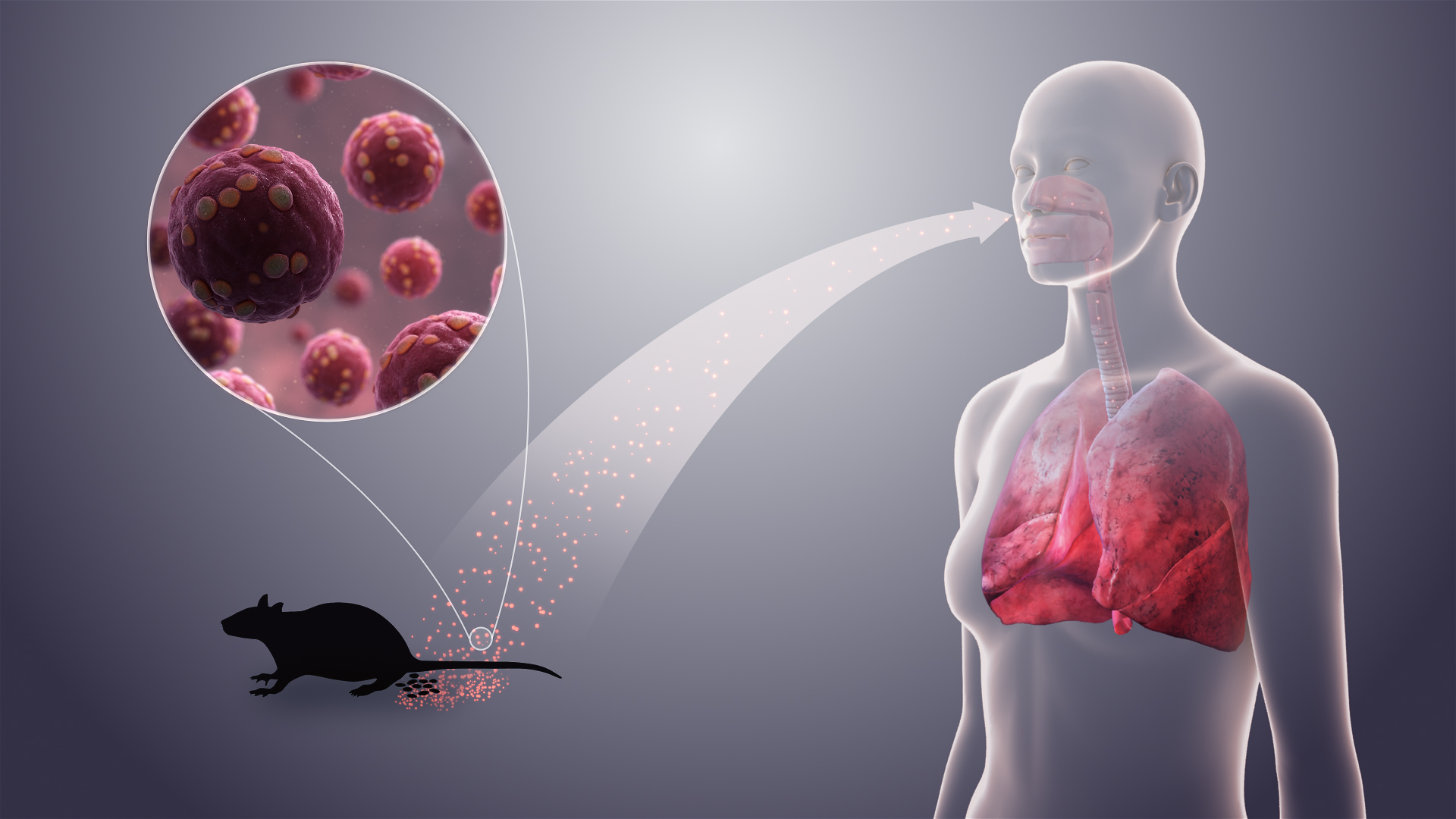
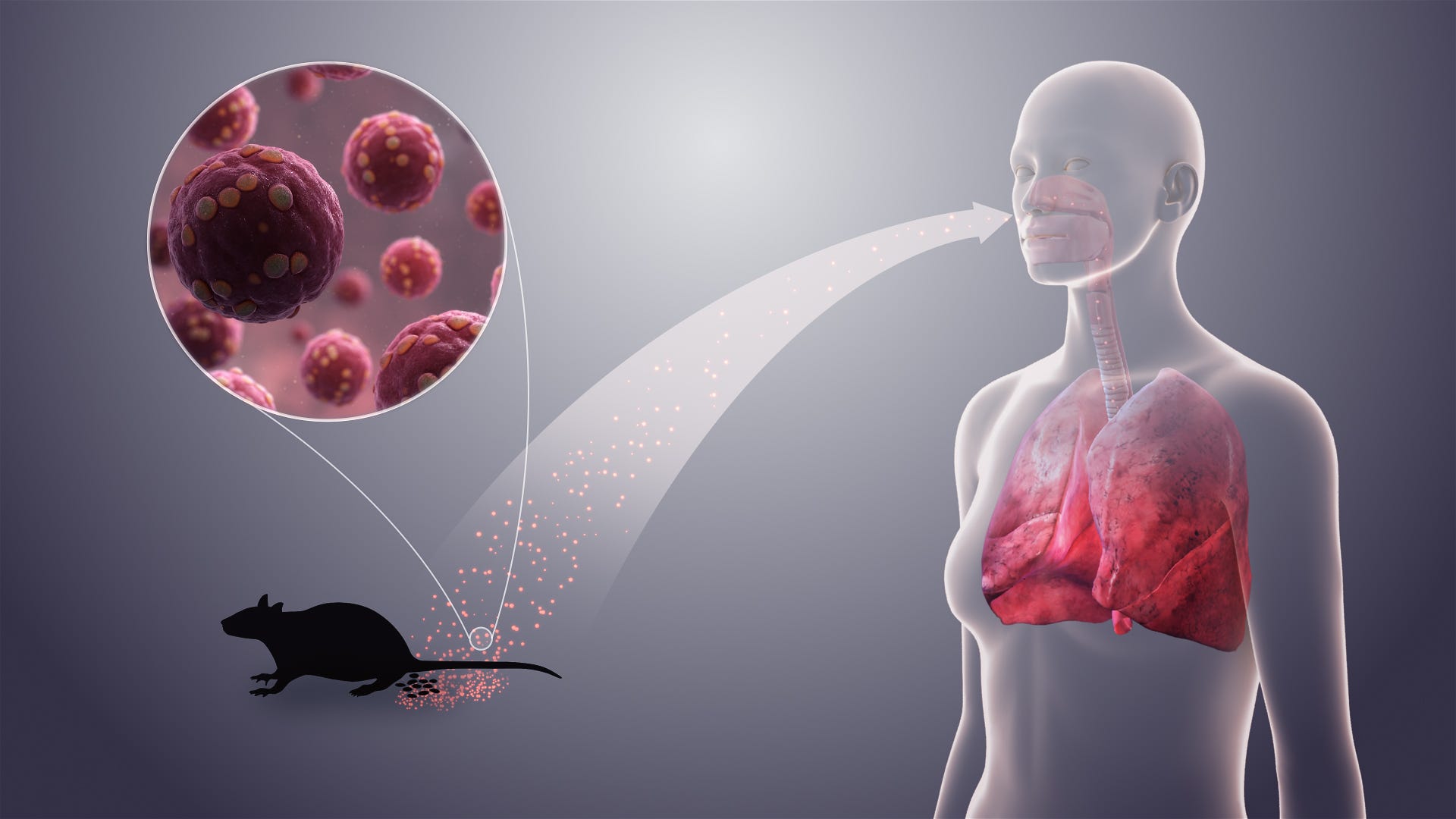
Hantaviruses are a group of viruses with members across the world within the Hantaviridae family found in rodent hosts. The viruses co-exist with their rodent populations without causing major health problems in their hosts. It is when spillover occurs into humans that they can lead to severe and often fatal diseases. People typically catch it through the inhalation of aerosolized particles from rodent urine, feces, or saliva, something not uncommon when cleaning a shed, sweeping a barn, or working in fields. So while a cruise ship isn’t exactly the exposure pattern one would first think of, it’s not that abnormal either. The ship left Patagonia, well within the range of the ANDV hanta-variant carrying long-tailed pygmy rice rat and other possible carrier species in the area. It wouldn’t be weird for a couple of rodents to scurry their way into the bottom levels of a cruise ship while supplies for the planned journey are being loaded. Once aboard, the enclosed, climate controlled environment becomes a nice place for spreading aerosolized viral particles that would then be found in storage areas, supply closets, ventilation ducts, and the service compartments below deck where rodents could go unnoticed. The additional symptomatic individuals being crew makes me think this could be the case, but I’d need to see more skew toward crew being infected vs passengers, which I don’t think is the case yet. However it got on board, people have been infected and viral sequencing is underway in the labs which should help clarify which specific hantavirus strain we’re dealing with here.
Here’s the part that really worries infectious disease researchers and medical professionals working in the realm of ANDV. Most hantaviruses can’t spread from person-to-person. The major exception seems to be ANDV, which can go from person-to-person through contact with infected bodily fluids, with transmission being most likely during the prodromal phase or shortly after that has ended. Mortality rates are estimated at between 40-50% and there’s no specific anti-viral treatment or vaccine for it, care being supportive in nature with oxygen, fluids, and ventilation for severe cases that advance to Hanta Pulmonary Syndrome.
So, if sequencing confirms ANDV the containment methods needed change pretty drastically with the need for respiratory isolation of cases, rigorous contact tracing of all 170 passengers and 70 crew, monitoring for secondary transmission chains, and the hopeful removal of future sources of aerosolized rodent excreta. If we find out it’s a different variant like the Seoul virus that brown rats carry, the risk of person-to-person contact is much more negligible. We’ll see what happens in the coming weeks.
What to watch out for
Over the coming days and weeks I’ll update this as new information comes out. Some things to look out for will be the sequencing results to determine ANDV vs a less problematic strain. I’ll be curious to see if we see more cases among the crew popping up as well, given they work in the areas where rodent excrement would be found more often. I’m also wondering what the temporal distribution of cases looks like. I haven’t been able to find anything on that yet, but were they clustered closely in time or spread out across days to weeks (the 1-6 week incubation period makes this question much more difficult to answer as well). We’ll also see if the ship’s own investigation finds any evidence of the rodents themselves, either bodies, nests, or droppings; I assume this has to be a major focus.
The Edge of Epidemiology is a reader-supported publication. To receive new posts and support my work, consider becoming a free or paid subscriber.